
Introduction
In today’s era of increasing energy costs and environmental awareness, the demand for energy-efficient building materials has been on the rise. Energy-efficient steel doors have emerged as a popular choice for both residential and commercial buildings. These doors not only offer enhanced insulation properties but also contribute to reducing energy consumption and lowering utility bills. This article aims to provide a detailed overview of energy-efficient steel doors, including their benefits, features, installation, and maintenance.
Benefits of Energy-Efficient Steel Doors
Energy Savings
One of the primary advantages of energy-efficient steel doors is their ability to save energy. Steel is a good conductor of heat, but energy-efficient steel doors are designed with insulation materials to minimize heat transfer. This means that during the winter, they can keep the warm air inside the building, reducing the need for excessive heating. In the summer, they can prevent the hot air from entering, decreasing the reliance on air conditioning. As a result, building owners can enjoy significant energy savings and lower utility costs over time.
Durability
Steel is known for its strength and durability. Energy-efficient steel doors are built to withstand harsh weather conditions, impacts, and wear and tear. They are less likely to warp, crack, or rot compared to other types of doors, such as wooden doors. This makes them a long-lasting investment for any building, providing security and functionality for many years.
Security
Energy-efficient steel doors offer excellent security features. They are often equipped with reinforced frames, multiple locking points, and high-quality locks. This makes it difficult for intruders to break in, providing peace of mind for homeowners and business owners alike. Additionally, the solid construction of steel doors can withstand forced entry attempts better than other door materials.
Aesthetics
Modern energy-efficient steel doors come in a variety of styles, colors, and finishes, allowing them to complement any architectural design. Whether you prefer a traditional, contemporary, or industrial look, there is a steel door option available to suit your taste. They can also be customized with decorative elements, such as glass inserts or embossed patterns, to enhance the overall appearance of the building.
Features of Energy-Efficient Steel Doors
Insulation Materials
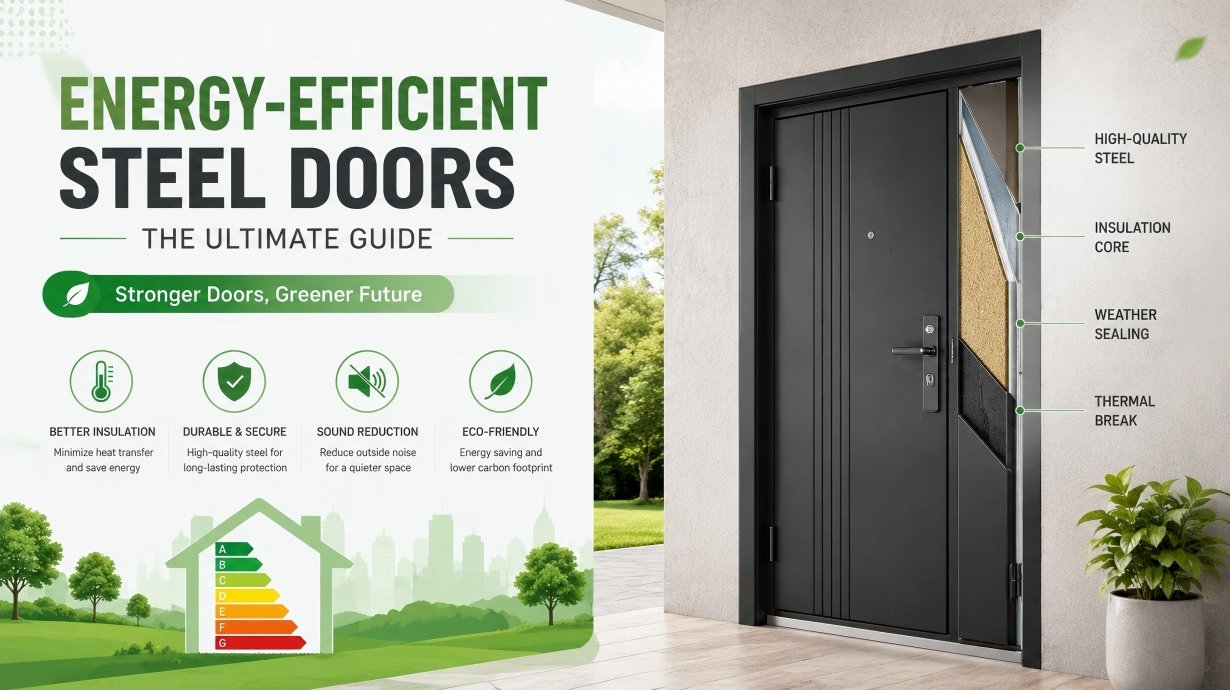
To achieve energy efficiency, steel doors are typically filled with insulation materials. Common insulation materials used in energy-efficient steel doors include polyurethane foam, polystyrene, and fiberglass. These materials have low thermal conductivity, which means they can effectively reduce heat transfer through the door. The thickness and quality of the insulation also play a crucial role in determining the energy efficiency of the door.
Weatherstripping
Weatherstripping is an essential feature of energy-efficient steel doors. It is a material that is installed around the perimeter of the door to create a seal between the door and the frame. This helps to prevent air leakage, drafts, and moisture infiltration. Weatherstripping can be made of various materials, such as rubber, vinyl, or foam. It is important to choose high-quality weatherstripping that is durable and resistant to wear and tear.
Low-E Glass
Some energy-efficient steel doors may feature low-emissivity (Low-E) glass. Low-E glass has a special coating that reflects heat while allowing visible light to pass through. This helps to reduce heat gain in the summer and heat loss in the winter. Low-E glass can also improve the overall energy efficiency of the door and enhance the comfort of the building’s occupants.
Thermal Break Technology
Thermal break technology is another important feature of energy-efficient steel doors. A thermal break is a material that is inserted between the inner and outer parts of the door frame to reduce heat transfer. This helps to prevent the formation of cold spots on the inside of the door and reduces the risk of condensation. Thermal break technology can significantly improve the energy efficiency of the door and enhance its performance in extreme weather conditions.
Installation of Energy-Efficient Steel Doors
Professional Installation
Installing an energy-efficient steel door requires professional expertise. It is important to hire a qualified contractor who has experience in installing steel doors. A professional installer will ensure that the door is properly measured, fitted, and sealed to maximize its energy efficiency and performance. They will also follow all the manufacturer’s instructions and local building codes during the installation process.
Preparation
Before installing the energy-efficient steel door, the opening needs to be properly prepared. This may involve removing the old door, checking the frame for any damage or unevenness, and making any necessary repairs. The opening should also be cleaned and free of debris to ensure a proper fit for the new door.
Sealing
Proper sealing is crucial for the energy efficiency of the steel door. The installer will use weatherstripping and sealants to create a tight seal around the perimeter of the door. This helps to prevent air leakage and drafts, which can significantly reduce the energy efficiency of the door. The installer will also ensure that the door is properly aligned and adjusted to ensure a smooth operation.
Maintenance of Energy-Efficient Steel Doors
Regular Cleaning
Regular cleaning is essential to maintain the appearance and performance of energy-efficient steel doors. The door can be cleaned with a mild detergent and water. Avoid using abrasive cleaners or tools that can scratch the surface of the door. After cleaning, dry the door thoroughly to prevent rust and corrosion.
Inspection
Periodically inspect the door for any signs of damage, such as dents, scratches, or loose hardware. Check the weatherstripping and sealants for any signs of wear or damage and replace them if necessary. Also, make sure that the door is operating smoothly and that the locks are working properly.
Lubrication
To ensure smooth operation, lubricate the hinges, locks, and other moving parts of the door regularly. Use a silicone-based lubricant to prevent rust and corrosion. Avoid using oil-based lubricants, as they can attract dirt and debris.
Conclusion
Energy-efficient steel doors offer a wide range of benefits, including energy savings, durability, security, and aesthetics. With their advanced features and technologies, they are an excellent choice for both residential and commercial buildings. By investing in energy-efficient steel doors, building owners can not only reduce their energy consumption and utility bills but also enhance the comfort and security of their properties. However, it is important to choose high-quality doors and have them installed by a professional to ensure optimal performance. Regular maintenance is also necessary to keep the doors in good condition and extend their lifespan. Overall, energy-efficient steel doors are a valuable addition to any building, providing long-term benefits for both the environment and the building’s occupants.