
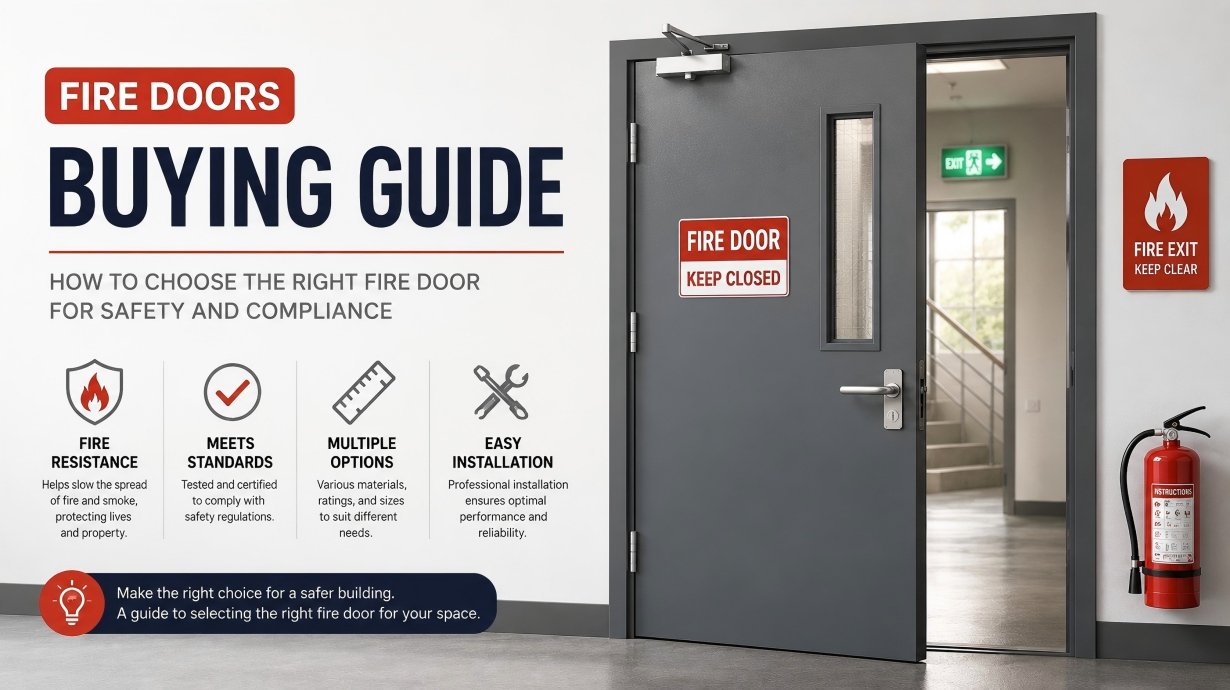
Introduction to Fire-Rated Steel Doors
Fire-rated steel doors are a crucial component in building safety and security. These doors are designed to withstand the spread of fire and smoke for a specified period, providing valuable time for evacuation and minimizing property damage. In commercial and industrial settings, as well as in some residential applications, fire-rated steel doors play a vital role in preventing the rapid spread of fire.
These doors are typically made of steel, which is known for its strength and durability. Steel can withstand high temperatures and is less likely to warp or break under fire conditions compared to other materials. The fire rating of a steel door indicates the amount of time it can resist the passage of fire and smoke. Common fire ratings include 20, 45, 60, 90 minutes, and even up to 3 hours.
Types of Fire-Rated Steel Doors
Hollow Metal Fire-Rated Doors
Hollow metal fire-rated doors are a popular choice in many commercial buildings. They are constructed with a steel frame and a hollow core, which makes them relatively lightweight yet strong. These doors are available in a variety of sizes, including custom sizes to fit specific architectural requirements. The 16 – gauge steel hollow metal frames are suitable for both interior and exterior use. For example, in office buildings, hollow metal fire – rated doors can be used to separate different departments or floors, ensuring that fire does not spread quickly.
Fire-Rated Steel Doors with Glass
Some fire – rated steel doors come with UL – labeled clear ceramic glass or wire glass. The clear ceramic glass allows for visibility while still maintaining the fire – resistant properties of the door. This is particularly useful in areas where monitoring is required, such as in hospitals or schools. The wire glass, on the other hand, provides an additional layer of strength and can prevent the glass from shattering during a fire.
Applications of Fire-Rated Steel Doors
Commercial Buildings
In commercial buildings, fire – rated steel doors are essential for complying with building codes and safety regulations. They are commonly used in stairwells, corridors, and between different tenant spaces. For instance, in a large shopping mall, fire – rated steel doors can be installed at the entrances of individual stores to prevent the spread of fire from one store to another. In office complexes, these doors help to compartmentalize the building, reducing the risk of a large – scale fire.
Industrial Facilities
Industrial facilities often deal with hazardous materials and high – risk processes. Fire – rated steel doors are used to protect different areas within the facility, such as storage areas for flammable substances or areas with high – heat equipment. They can prevent fires from spreading to other parts of the factory, protecting workers and valuable equipment.
Hospitals and Healthcare Facilities
Hospitals require a high level of fire safety due to the presence of vulnerable patients. Fire – rated steel doors are used to separate patient rooms, operating theaters, and other critical areas. These doors can prevent the spread of fire and smoke, giving medical staff more time to evacuate patients safely.
Benefits of Fire-Rated Steel Doors
Fire Protection
The primary benefit of fire – rated steel doors is their ability to resist the spread of fire. They act as a barrier, preventing flames and hot gases from passing through for a specified period. This can save lives by allowing more time for people to evacuate and can also reduce property damage by containing the fire to a smaller area.
Durability
Steel is a very durable material. Fire – rated steel doors can withstand normal wear and tear, as well as the harsh conditions during a fire. They are less likely to be damaged by impacts or environmental factors compared to other types of doors, which means they have a longer lifespan and require less maintenance.
Security
In addition to fire protection, fire – rated steel doors also provide a certain level of security. Their strong construction makes them difficult to break into, which can help protect the property and its occupants from unauthorized access.
Installation and Maintenance of Fire-Rated Steel Doors
Installation
Proper installation of fire – rated steel doors is crucial to ensure their effectiveness. It is recommended to hire professional installers who are familiar with the specific requirements of fire – rated doors. The doors must be installed according to the manufacturer’s instructions and local building codes. For example, the frame must be properly secured to the wall, and the door must fit tightly to prevent the passage of fire and smoke.
Maintenance
Regular maintenance is also necessary to keep fire – rated steel doors in good working condition. This includes checking the hinges, locks, and seals for any signs of damage or wear. The door should be cleaned regularly to remove dirt and debris that could affect its performance. In addition, it is important to conduct periodic fire drills and inspections to ensure that the doors are functioning properly in case of an emergency.
Choosing the Right Fire-Rated Steel Door
Fire Rating Requirements
When choosing a fire – rated steel door, it is important to consider the specific fire rating requirements of the building. Different areas of a building may require different fire ratings depending on the level of risk. For example, stairwells may require a higher fire rating than normal corridors.
Hardware and Accessories
The choice of hardware and accessories for fire – rated steel doors is also important. There is a wide variety of options available, including different types of locks, hinges, and handles. These components should be compatible with the door and should also meet the relevant safety standards.
Aesthetics
In some cases, aesthetics may also be a consideration. Fire – rated steel doors can be designed to blend in with the overall architecture of the building. They can be painted or finished in different colors to match the interior or exterior decor.
In conclusion, fire – rated steel doors are an essential part of building safety. They offer a combination of fire protection, durability, and security. By understanding the different types, applications, benefits, installation, and maintenance requirements, as well as how to choose the right door, building owners and managers can ensure that their properties are well – protected against the threat of fire.